01
Prepare
Gather your device, a trusted computer, and a quiet place to work.
A calm, security-first walkthrough for understanding your hardware wallet setup—from the first connection to protecting your recovery information.
Independent educational resource. This guide is not affiliated with or endorsed by Trezor. Always verify instructions with the device maker’s official resources.
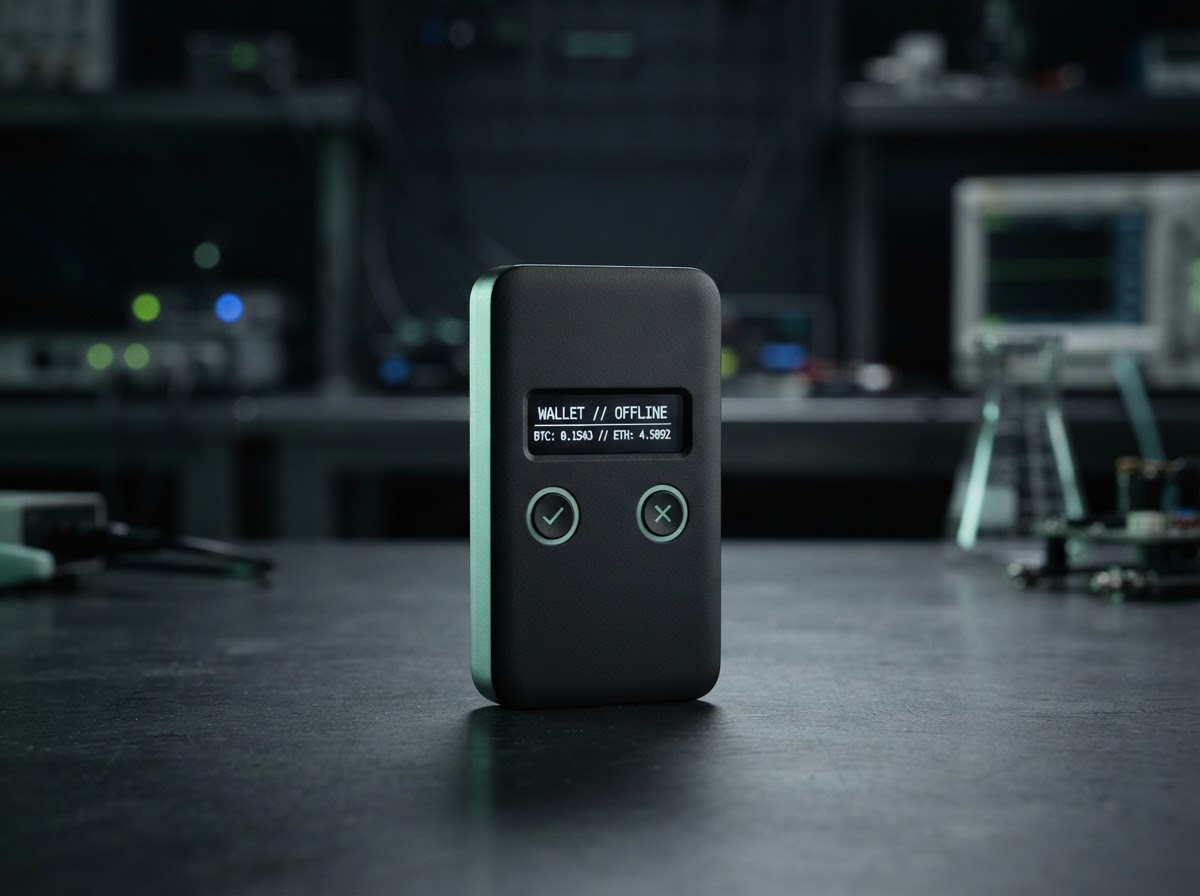
For someone new to hardware wallets, “Trezor.io/start” is a search phrase that points toward the beginning of a setup journey. It is not a reason to trust the first page, download, or message you encounter. Search results, ads, and lookalike sites can be confusing, so use careful source checking before installing software or entering any information.
A hardware wallet is designed to keep sensitive signing operations isolated from an internet-connected computer. Setup still depends on your own choices: obtaining authentic software, checking device prompts, and keeping recovery details private. This guide explains the decisions to understand rather than replacing current manufacturer documentation.
Begin with a clean workspace and enough time to read each prompt. Inspect the packaging and device for anything unexpected; if the condition seems suspicious, pause and contact the seller or manufacturer through a verified channel. Have a computer you control, a dependable USB cable, and access to the product maker’s official support pages.
Do not follow setup instructions from unsolicited chats, sponsored search results, or QR codes sent by strangers. Never share a recovery phrase with a website, support agent, friend, or this guide. A legitimate setup should not require you to disclose it to another person.
Five deliberate stages. Pause whenever something does not match what you expect.
Gather your device, a trusted computer, and a quiet place to work.
Use a reliable cable and follow the device prompts.
Check the source of software and confirm prompts on-device.
Create a new wallet or restore only when you understand the implications.
Protect recovery information offline and review your backup plan.
Install companion software only after independently checking the maker’s domain and download source. Type the known address yourself or use a trusted bookmark, then compare the domain character by character. Avoid software attached to unsolicited emails or unofficial download mirrors.
Connect the wallet and follow on-screen directions at a measured pace. Where the desktop interface asks you to confirm an action, read the corresponding device display. A physical device confirmation helps you understand what is being approved; do not accept a prompt you did not initiate. If your computer or device shows an unexpected warning, disconnect and investigate through verified documentation.
Verification is a habit, not a one-time badge. Confirm software authenticity using the instructions and verification methods the manufacturer currently publishes. Check that the device and interface are communicating as expected, and inspect important details on the hardware screen before confirming them.
Use a unique passphrase only if you have researched how it works and can maintain a reliable recovery plan. Keep device firmware current by following official release guidance, but do not rush an update because of a pop-up, direct message, or countdown. No device can prevent every mistake, compromised computer, or social-engineering attempt.
Your recovery backup may be the only way to regain access if a device is lost or damaged. Write it down exactly as instructed and keep it physically secure, private, and separate from the device. Never photograph it, save it in cloud notes, email it, or type it into a computer or phone. Anyone who obtains the words may be able to control the assets associated with that wallet.
Think through fire, water, theft, and access by other household members. Use only backup methods supported by the wallet maker and compatible with your own threat model. Do not improvise by splitting or encrypting words unless you fully understand the risks; complexity can make recovery impossible.
Slow down and confirm that each action matches what you initiated.
Verify the domain and software source independently before downloading.
Keep the backup offline and never enter it into a support page or chat.
Use this short review before treating setup as complete.
Helpful context for the first setup.
No. This is an independent informational guide and does not claim affiliation. For downloads and current device-specific steps, verify the official Trezor website and support materials directly.
No. Treat recovery words as highly sensitive. Do not enter them into websites, apps, search fields, or support chats. Follow the manufacturer’s official recovery process only when necessary.
Pause rather than guessing. Interfaces can change over time. Consult verified official documentation for your model and software version before continuing.
No tool can guarantee safety. A hardware wallet can support safer key management, but source verification, careful transaction review, secure backups, and awareness of scams remain important.